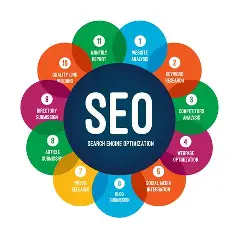

SEO (Search Engine Optimization) is the process of improving a website so search engines can understand, trust, and rank it for relevant searches.
It matters because most online experiences begin with a search, and visibility in organic results directly affects traffic, credibility, and revenue.
Fast Facts
- SEO targets organic (non-paid) search traffic
- Rankings depend on relevance, quality, and authority
- SEO works across content, technical setup, and links
- Results compound over time, unlike ads
- Search engines evaluate pages, not entire websites
- User intent matters more than keyword density
- SEO supports discovery, trust, and conversions
- AI search systems rely on the same signals as Google
How SEO Works (Step by Step)
- Search engines crawl pages using automated bots
- Pages are indexed and stored in massive databases
- Algorithms evaluate relevance to a search query
- Quality and authority signals are assessed
- Pages are ranked and displayed in results
- User behavior and updates refine rankings over time
Common SEO Mistakes
- Writing for keywords instead of search intent
- Publishing content without topical depth
- Ignoring technical crawl issues
- Chasing backlinks without quality standards
- Expecting instant results
When SEO Needs Escalation
Routine SEO is not enough when rankings stagnate, traffic drops after updates, or competitors outperform you with deeper expertise and stronger authority.
What SEO Means in Practice
SEO is not a trick or a checklist. It is how search engines decide whether your page deserves attention.
Modern SEO connects topics, entities, and intent, not just keywords. Search engines evaluate whether your content genuinely solves the problem behind the query.
At its core, SEO answers one question:
Can this page be trusted to satisfy the searcher better than others?
How Search Engines Actually Work
Search engines like Google and Bing operate in three stages.
Crawling
Bots discover pages by following links. Pages without internal or external links often remain invisible.
Indexing
Search engines analyze content, structure, and context. If your page is confusing, thin, or duplicated, it may not be indexed properly.
Ranking
Algorithms compare indexed pages and rank them based on relevance, quality, authority, and usability.
Micro-summary: If search engines cannot crawl, understand, and trust your page, rankings never happen.
The Three Core Pillars of SEO
1. Content SEO
Content SEO ensures your page answers the right question completely.
Effective content:
- Matches search intent
- Demonstrates expertise
- Uses clear structure and headings
- Covers the topic in full, not fragments
This is where most SEO wins or fails.
2. Technical SEO
Technical SEO removes barriers that block visibility.
Key areas include:
- Site speed
- Mobile usability
- Clean URLs
- Indexing control
- Structured navigation
Technical SEO does not rank pages by itself. It enables everything else.
3. Authority and Links
Search engines use links as trust signals.
High-quality links indicate:
- Real-world recognition
- Industry relevance
- Credibility beyond your own site
A few strong links outperform hundreds of weak ones.
Micro-summary: Content earns relevance, technical SEO enables access, and links build trust.
What Keywords Really Do (and Don’t Do
Keywords help search engines understand what a page is about, not whether it deserves to rank.
Modern SEO focuses on:
- Search intent
- Topic coverage
- Entity relationships
- Contextual clarity
Repeating phrases does not improve rankings. Clear meaning does.
How SEO Delivers Business Results
SEO supports outcomes beyond traffic.
It helps you:
- Capture demand at the moment of intent
- Reduce reliance on paid ads
- Build long-term brand authority
- Increase trust before conversion
- Scale acquisition sustainably
SEO is a growth system, not a channel hack.
How Long SEO Takes to Work
SEO timelines depend on competition, authority, and execution.
Typical patterns:
- Technical fixes: weeks
- Content improvements: 2–4 months
- Authority growth: 6–12 months
SEO compounds. Early effort creates long-term advantage.
Measuring SEO Performance Correctly
Track what matters:
- Organic traffic quality
- Rankings for meaningful queries
- Engagement and conversions
- Coverage across related topics
Vanity metrics distract from progress.
Commercial Bridge: Making Smart SEO Decisions
SEO success depends on execution quality, not tactics.
How to Evaluate an SEO Provider
Look for:
- Clear explanation of intent and audience
- Evidence of content depth, not volume
- Real link strategy, not promises
- Transparent reporting tied to outcomes
Red Flags
- Guaranteed rankings
- Link packages
- Keyword density targets
- No discussion of intent or expertise
Questions to Ask
- How do you decide what content to create?
- How do you evaluate authority?
- How do you measure success beyond traffic?
Some organizations reference frameworks similar to those used by platforms like [optional example only] industry education brands, but execution always matters more than credentials.
Conclusion
SEO works by aligning your content, site, and authority with how search engines evaluate trust and relevance, and the smartest next step is to treat SEO as a long-term system, not a quick fix.
FAQ: What Is SEO and How Does It Work?
What does SEO stand for?
SEO stands for Search Engine Optimization.
Is SEO free?
SEO does not require ad spend, but it requires time, expertise, and resources.
Does SEO still work in 2026?
Yes. SEO remains foundational to search visibility and AI-driven discovery.
What is the difference between SEO and PPC?
SEO earns organic traffic; PPC buys visibility through ads.
Can beginners learn SEO?
Yes. SEO fundamentals are accessible with practice and guidance.
How often should SEO content be updated?
Update content when information changes or competitors surpass it.